I’ve never fully understood why so many radio on-air personalities have such a strong desire to wing it. The easy answer of course is that it requires a lot less effort to crack the mic and see what happens than to put in the time and energy required to properly show prep. But, with how prevalent ‘winging it’ is I think there’s a lot more to it than just laziness. There’s a rush involved with being able to come up with things off the cuff. Plus, we all take pride in our ability to improvise. However, combining that improv ability with structure and planning is much more likely to yield long term results. Another major way the ‘wing it’ philosophy negatively impacts station performance happens when we put together new team show and throw them on-air right away. Here’s why that’s so problematic and a few steps any station can take to better prepare our new team shows ahead of day one.
Assign and define roles before doing anything else. Lots of stations avoid this conversation because egos are involved and they don’t want to hurt anyone’s feelings. But, the longer we wait to have the host/co-host talk the worse it will be. One of the main reasons team shows fail is because the roles were never properly assigned and defined or they’re miscast. Sometimes on paper it looks pretty obvious who should be the host and who should be the co-host but once they get on air it becomes apparent that they’re not in the right roles. Which leads shows to start role swapping every other break or decide they can both host or both co-host. I know other talent coaches who claim they’ve seen that work in very rare instances. Personally, I have never seen that approach work. The best way to ensure that a show is properly cast is to do practice shows before launch day.
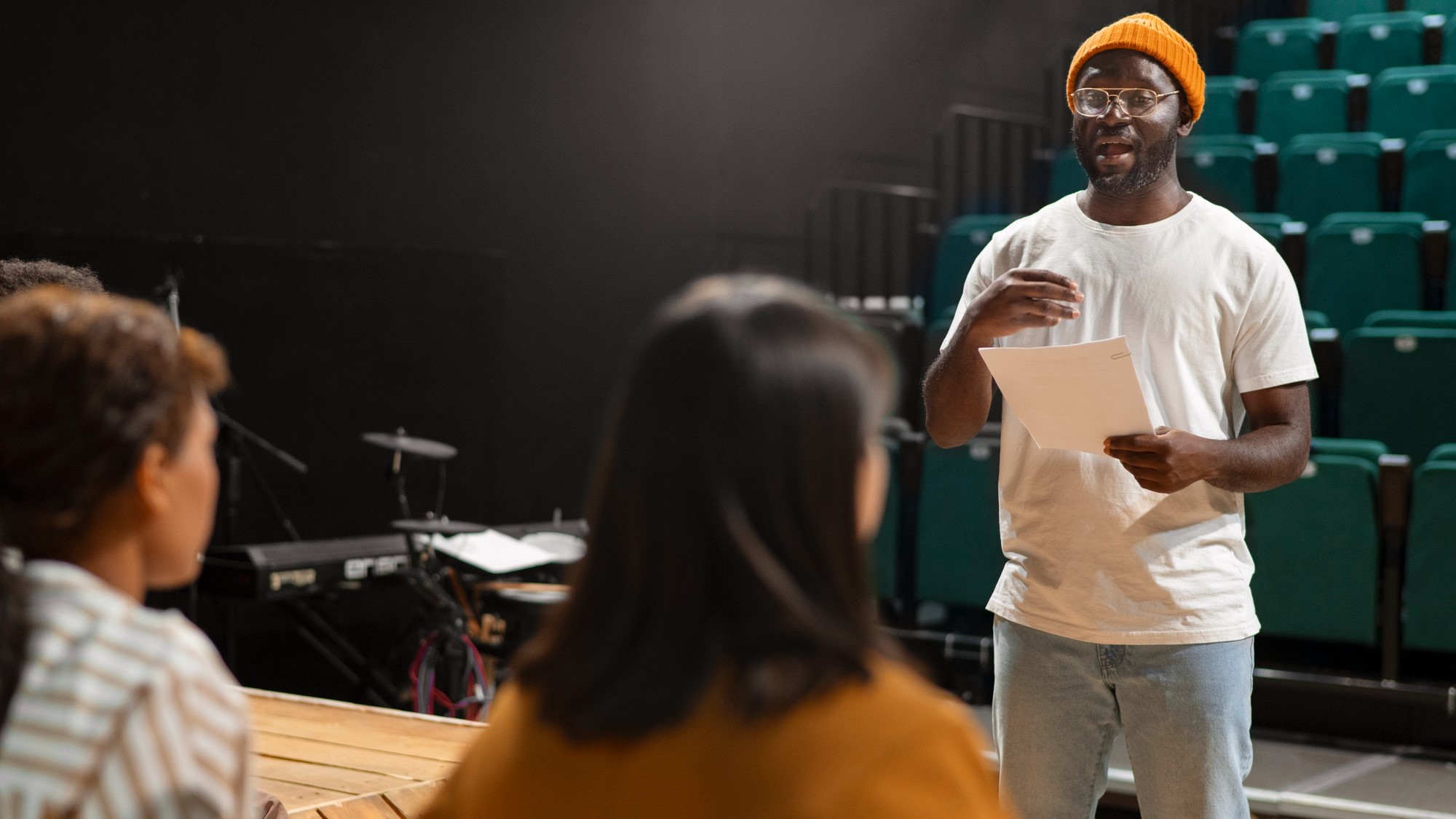
Yet, proposing that on-air talent, especially veteran on-air talent, fake a show is generally met with massive resistance. They find it insulting, demeaning and beneath them. Often, they refuse to do it and management concedes or they’re forced to do it against their will and don’t take it seriously, ie ‘Welcome to fake show number one.’ When shows do that they’re overlooking the massive benefits of rehearsing a new team show in advance. This allows us to catch if a show is miscast before it hits the airwaves. It allows us to identify the shows’ strengths that we can lean into and weaknesses we need to minimize while we work on improving them. It’s the best way to develop a couple of benchmarks/features that are fully flushed out and ready to promote and execute on day one. It also establishes a precedent of rehearsing and practicing new benchmarks/features ahead of time even after the show is already on the air to test them out and see if they’re worth airing.
That’s why virtually every other industry rehearses ahead of time. Sports teams practice and play pre-season games, tv shows rehearse and shoot pilots that are tested prior to airing, plays rehearse and built toward dress rehearsals and restaurants do soft openings. Heck, even weddings rehearse despite the fact that most of us have been to tons of weddings by the time we take part in one and they’re all essentially the same – the couple’s closest friends wait in formation trying to remember not to lock their knees while the bride’s dad walks her down the aisle and they both say a little prayer to themselves that she’s not making the biggest mistake of her life – or something like that.
So, despite all the outside evidence that rehearsals pay off, why is radio so resistant to take part. Just like on-air personalities take pride in their ability to improvise, radio as a whole tends to take a lot of pride in the fact that we are a media platform capable of going live at any moment. That’s always been one of our big advantages and it still is despite podcasters ability to do live ‘emergency pods’ on social and tv retooling so they’ve always got a talent on call to go live. None of them are setup to handle emergencies as well as radio is. However, that doesn’t mean we shouldn’t rehearse when we can and practice our normal day to day on-air performances ahead of time to make sure they are as entertaining and mass appeal as possible when they do hit the airwaves. The very fact that more industries are getting into our space as we speak is all the more reason to do so.
What do you think? Should radio rehearse more? Comment below or email me at Andy@RadioStationConsultant.com.
Pic designed by Freepik.com.