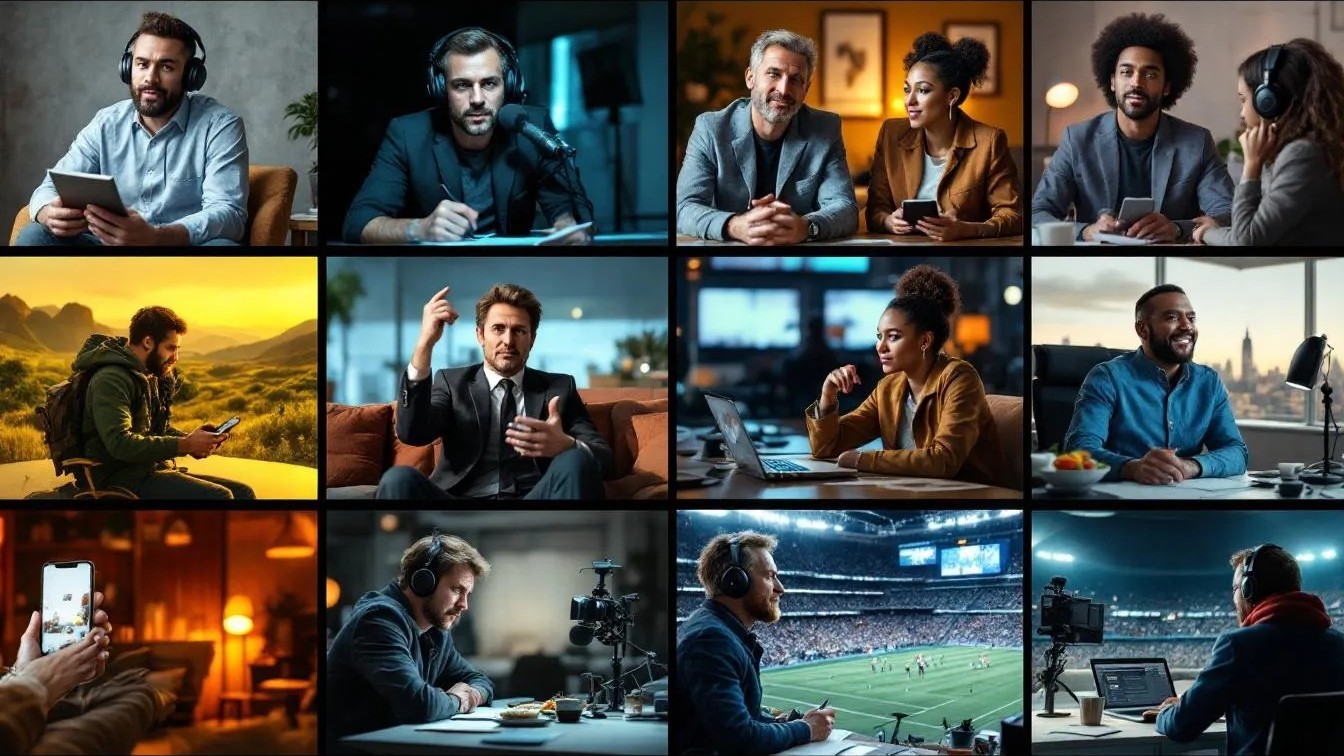
In my parent’s generation they had three options to choose from when trying to get caught up on the daily news, radio, tv (with just 3 channels) or newspapers. By the time I came of age in the 80s the first 24/7 cable news channels had popped up giving us news junkies an around the clock fix. A decade or so later the internet came along and changed everything, especially when social networks rose to prominence in the early 2000s. Twenty five years later the segmentation of media is complete. There are now thousands of choices, including many tailor-made for our specific interests and already established viewpoints. According to Reuters social media and video networks have now become the main source of news in the US, overtaking traditional TV channels and news websites. Studies show 54% of Americans now get their news this way. Plus, the most widely-seen personality is podcaster Joe Rogan, with almost a quarter of the population (22%) saying they had come across news or commentary from him in the previous week. While these changes have had massive ripple effects on radio, it’s also opened up an opportunity for our industry. Here’s why.
Watch a clip of Joe Rogan and tell me he doesn’t look like he’s broadcasting from something that’s eerily similar to a radio studio. Two mics on mic stands, low lighting on everything but him and the guest who is sitting at a table across from him. Granted, his studio is of course optimized for video (which all radio stations should be by now as well). But, essentially that’s a radio studio he’s recording in every week. His execution is different, he sits down with his guests for 3 hours or more without the distractions of upcoming stopsets or the need to get x amount of songs in per hour. However, those are all things radio talent could do if they stopped podcasting backwards. Going long-form first ahead of time makes it much more likely we’ll create those crucial 30 to 60 second viral clips for social media. It also gives us a massive amount of content we can filter into our show to promote the long-form version on our websites, our station YouTube channel, and all podcasting networks. To have success with it though, we have to get out of broadcaster, tight and bright mode and get comfortable with incorporating AI tools to 50x our performance.
The other opportunity this segmentation of media opens up for radio is that it means most people are up for grabs. Starting at the local level we can get their attention by thinking like a journalist and using documentation to increase the volume of content we can create throughout the day. When I talk to content creators who have gone viral they all have one thing in common, they are always on the lookout for an opportunity to capture content. At any moment they’re willing to grab their phones and record audio/video to use on their shows or social or to go live immediately on social or YouTube. Because they understand that while quality of content is still important, it’s nowhere near as important as volume.
What do you think? How has the segmentation of media impacted radio positively or negatively and how should we respond to it? Comment below or email me at Andy@RadioStationConsultant.com.
Pic AI generated using Envato Labs.