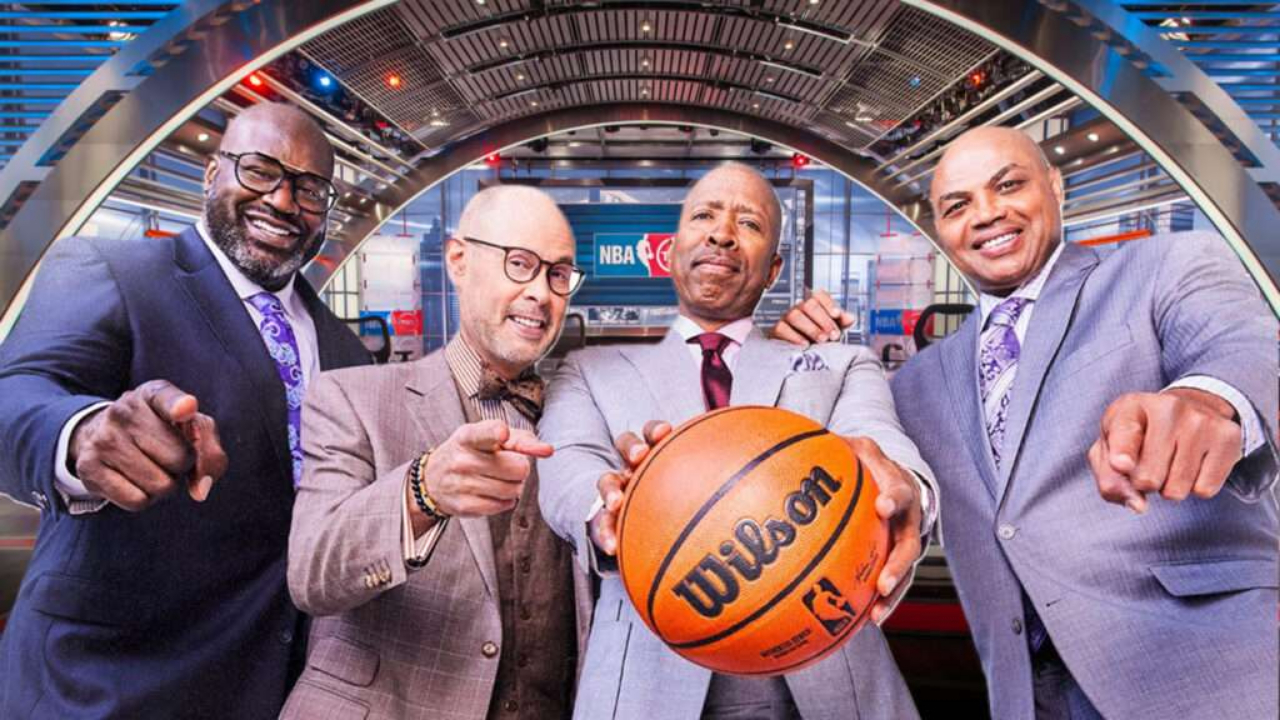
As much as it pains me to even think about the NBA right now after my beloved Spurs broke my heart in the finals, the series reminded me of just how good a show Inside the NBA continues to be. I’ve been a fan of the show ever since they added Charles Barkley, despite the fact that a town I love, San Antonio, is often on the receiving end of his jokes. To be fair, he’s right about the river being dirty but I disagree with him on the women. Once they added Charles, Inside the NBA was nothing like any sports show on TV. It became something even a casual fan could enjoy and was tailor made for clipping, which is incredibly important in this digital age. When Shaq came on I wondered how the dynamic of having another superstar on the team would impact the show but he’s so likeable it worked almost immediately. Now that it’s evolved even further, there are a handful of lessons radio team shows can learn from Inside the NBA. Here are a few.
Over-scripting Kills a Team Show
Being a veteran broadcaster, the host Ernie Johnson clearly spends a ton of time preparing for the show. He famously comes into every show with tons of notes for things he wants to touch on, which he relies heavily on. Something Barkley found out the hard way when he accepted a bet from the other guys to tear up those notes before a show and met Ernie’s wrath. But despite being uber-prepared, which all hosts should be, Ernie knows when to let the guys have their fun. He also knows how and when to tactfully rein them in when they’ve gone too far or he needs keeps the show on schedule. On the radio I always encourage shows to go into every break with a plan for how they’re getting into and out of the content as well as a rough idea how they’re delivering the meat of that content. But, they also have to be willing to abandon those plans if something better comes up organically. My guess is Ernie abandons his plans multiple times per show because he understands that scripting everything ruins the magic of a show.
Chemistry
Former NBA Athletes probably understand team chemistry better than anyone because they’ve seen the impact it has on and off the court throughout their careers. Because of their on-screen chemistry, the four guys on Inside the NBA come across like family or old friends who genuinely enjoy each other’s company even when the jokes go a little too far. On the radio I’ve seen lots of team shows put together that appear on paper to be a perfect match, but end up having little or no chemistry when they get on the air. That’s part of the reason I encourage all new shows to rehearse and do some fake shows ahead of time. It’s also why it helps immensely for the talent to spend time together off the air getting to know each other ahead of time to see if they can riff well together. Because chemistry cannot be faked, its either there or its not. When it is, everybody’s job gets significantly easier. When it isn’t, there’s not a lot that can be done to salvage it.
Authenticity
Fake doesn’t work anymore. Viewers and listeners see through that. What today’s audiences want is someone who is real and comes across as authentic. That’s why fake broadcaster voices are out and conversational delivery is in. It’s also why radio on-air talent who have too strong of a content filter and play it too safe don’t translate as well to digital. The Inside the NBA crew are a great example of how modern audiences connect with personalities who are comfortable enough in themselves that they’re not afraid to be exactly who they are on the air.
Expertise
Like on-air talent, on-camera talent don’t have to know more than their audience about everything. In fact when they do they quickly become unlistenable, because there’s nothing entertaining about sitting through something that seems more like a college class than a show. However, on certain subjects it’s important that the talent sound like experts. In the case of Inside the NBA the show works in part because of the three former players, two of which are Hall of Famers, being basketball experts whose analysis carries weight with fans and players. On the radio news talk talent need to be political experts (especially locally and regionally if they’re not syndicated), sports talk talent need to be sports experts (Or at least one on each show does) and talent on music stations need to be experts in the music they’re playing (or quickly become one if the format is new to them). Because that’s the fastest way to relate, and endear ourselves to the audience who is coming to the station because of their interest in those things.
What do you think? What do you love, or hate, about Inside the NBA and what lessons can radio learn from the show? Comment below or email me at Andy@RadioStationConsultant.com.