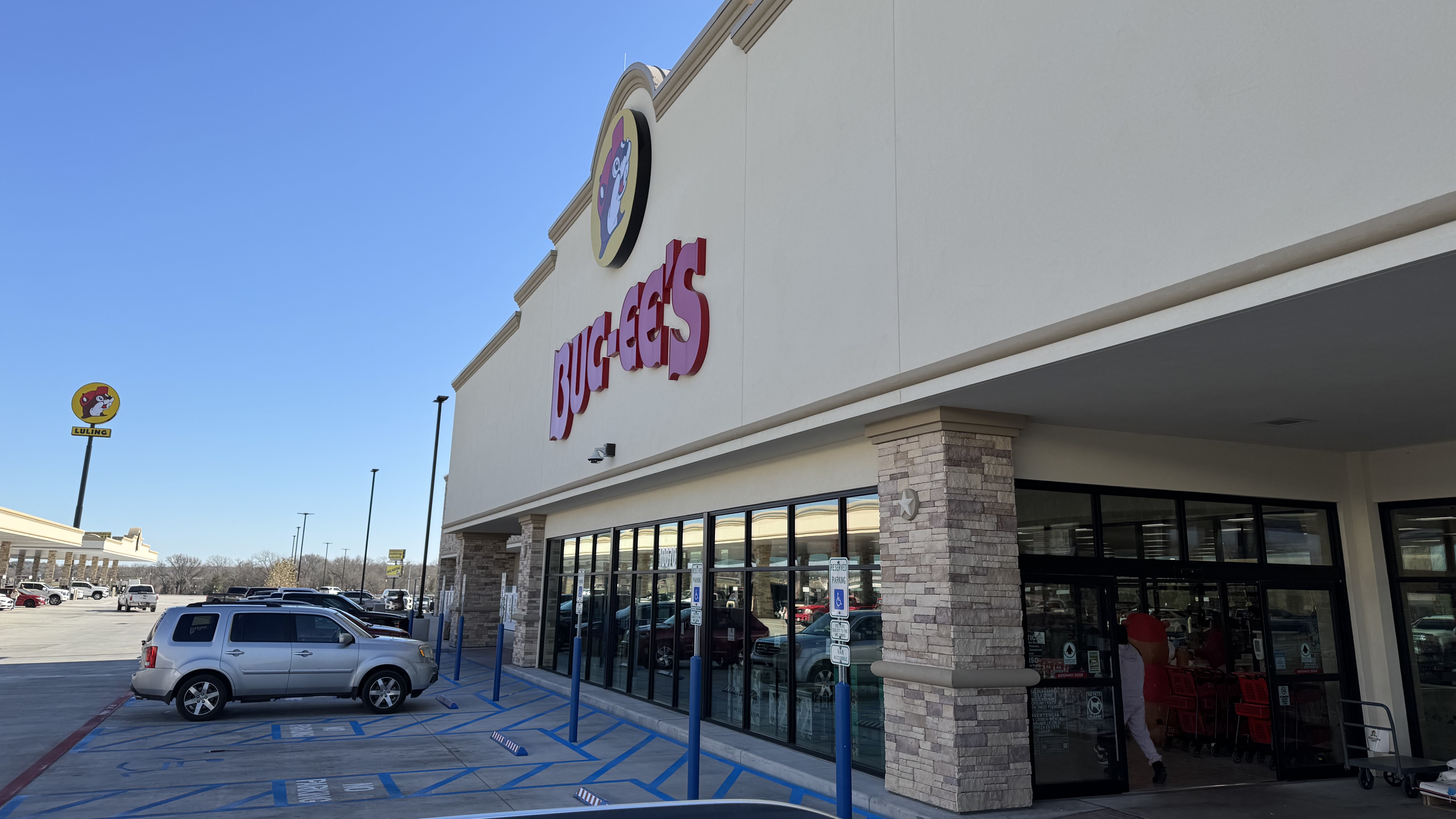
If you’ve driven through Texas you’ve likely experienced the phenomenon that is Buc-ee’s. This incredibly popular chain of convenience stores was founded outside of Lake Jackson, Texas in the 80’s but only began expanding in 2003. As of today, there are Buc-ee’s in Alabama, Georgia, Florida, Kentucky, South Carolina, Tennessee, Colorado and Missouri with plans to add new locations in ten other states in the works. But, calling Buc-ee’s a convenience store is massively under-selling it because they’re unlike any gas station I’ve ever been to.
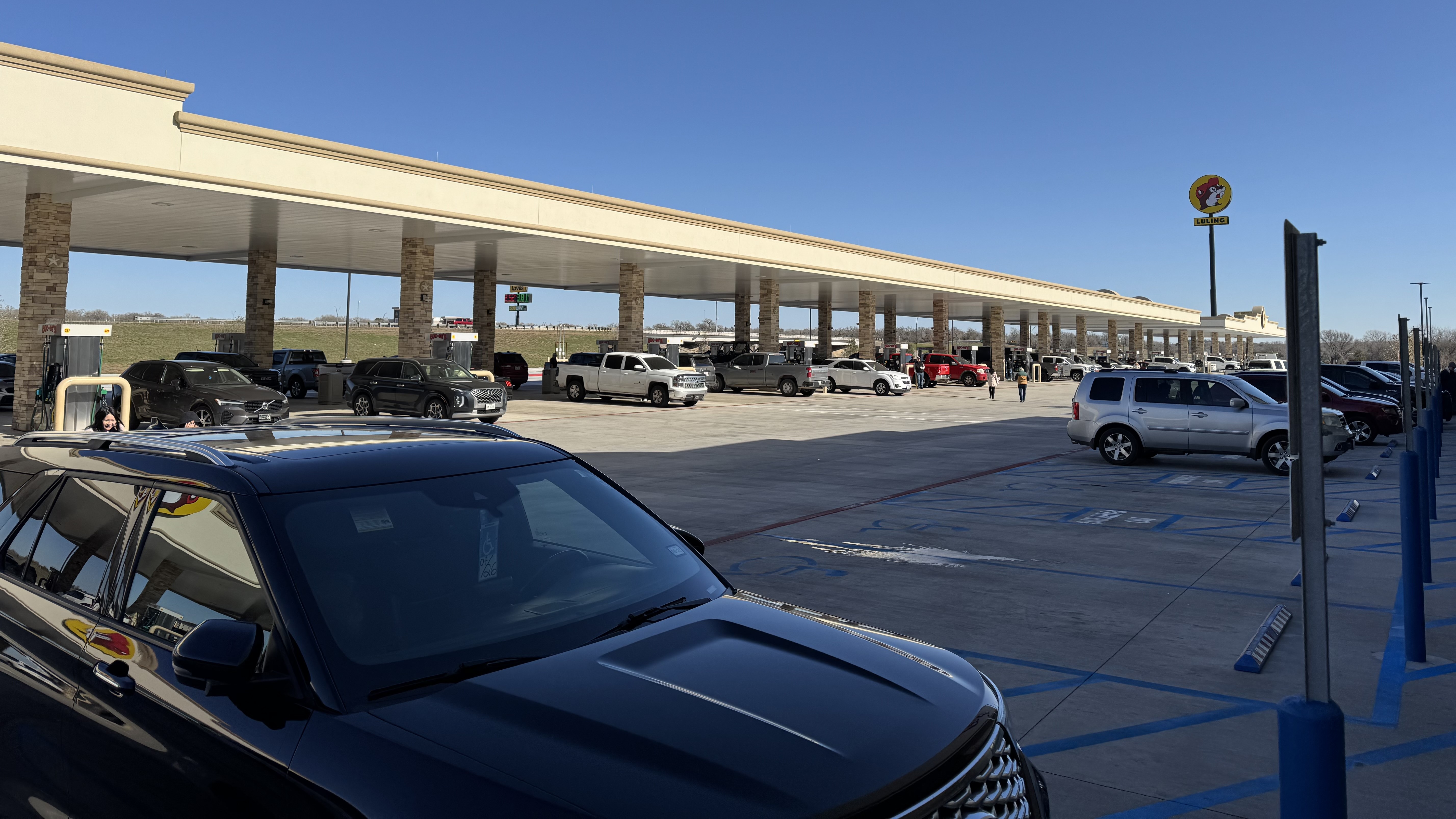
For starters they’re massive, incredibly clean and the food is great. They’re so popular in fact that they sell their own merch and when the wife, the kids and I stopped by one on our trip back home last week I even saw several tourists lined up to take pictures with their mascot inside one of the stores. So, how did a single convenience store in Texas build such a massive and popular brand that brings in half a billion in yearly revenue and what lessons can radio learn from Buc-ee’s? Here are a few of my thoughts on that.
Clearly define what you are and what you’re not. The main thing you hear people talk about after their first visit to a Buc-ee’s is how clean the restrooms are, hence why they won the ‘Best Restroom in America’ award back in 2012. This is one of the most important parts of their brand and I’ve seen no evidence to the contrary throughout any store I’ve visited. Often there’s someone actively cleaning at any time of the day I stop in. So, the soda station isn’t sticky, the floors never feel gross and the bathrooms don’t look like the nightmare fuel we’ve all seen at other convenience stores. Which leads me to the ‘what you’re not’ portion and their controversial policy on not permitting 18-wheelers. Company statements say it’s because “the company’s parking lots and driveways aren’t designed to accommodate truckers” but I think it’s obviously a conscious branding decision they made early on to keep their stores family-friendly. It also happens to be a sound business decision because the margins on food and drinks are WAY higher than the margins on fuel and a family of four will spend $30 to $50 on food and drinks instead of the $3 to $5 a single trucker spends on the same. Every radio station should follow Buc-ee’s lesson and clearly define what they are and what they’re not so it can be reinforced in imaging, by on-air talent and by all their external marketing to bring in the specific audience they’re looking for.
You can’t blow up quickly without investing in outside marketing. I couldn’t find any data on what Buc-ee’s spends on outdoor billboards but it’s got to be a massive number. They literally have billboards hundreds of miles out from their next store and they continue every 15 to 20 miles or so. Plus, they’re cleverly written and all reinforce their point of difference from their competitors. Which is brilliant. After all, what good is it to create an amazing brand if we’re not going to tell people about it. Radio used to be the king of billboard advertising, because in-car listening is our bread and butter and billboards are still hands-down the best way to get someone to sample a new station. But, with budget cuts most stations have gotten away from spending money on billboards or any other outside marketing. That’s a mistake, we can’t drive significant new cume without investing in outside marketing and with digital boards, other forms of digital advertising, and the segmenting of TV viewing making TV advertising more affordable, we should all start setting aside an outside marketing budget every year even if it starts at a fraction of what we used to spend.
Create a work environment people want to be a part of and pay them a living wage. You can’t be better than all the competitors without having better skilled workers than your competitors and that requires paying more than they do. Here’s a picture I snapped of Buc-ee’s starting salaries for multiple positions.
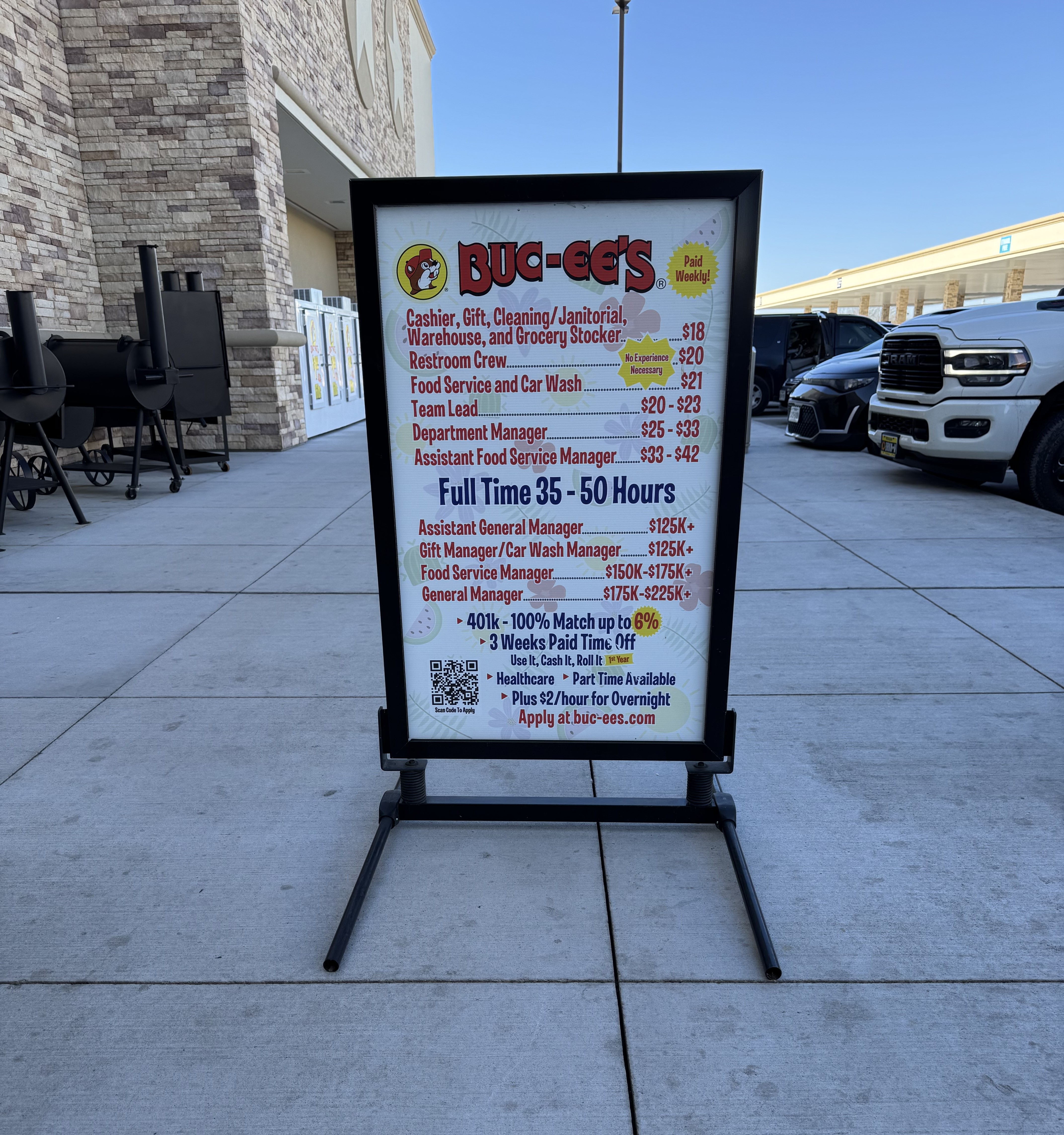
Paying higher wages also allows them to have a bigger pool of potential candidates so they can choose people that fit their brand by looking presentable, being outgoing and friendly to customers. I can’t tell you how many times I’ve heard GMs and owners complain about how someone on their staff dresses or behaves in front of clients but fail to make the connection to how little that particular staff member is paid. But pay is just a part of why what Buc-ee’s does works. They’re also clearly fostering a sense of family, where their employees feel like they are a part of something bigger than themselves that they can be proud of. The best radio stations do the same thing by making our stations and groups a fun place to work and giving our employees a creative outlet, but we often fall short on the compensation side and tend to base our pay on what we’ve traditionally paid for positions or what our markets have traditionally paid which hinders our growth. Plus, with so much of the programming decisions being made at a corporate level and so many stations choosing to only use syndicated shows, it’s hard for local staff to feel like they’re a legitimate part of the station. Giving them some kind of creative freedom that’s still in-line with the stations brand and direction will help bring local employees back in and increase their commitment level and happiness.
Honestly, I could write and talk about Buc-ee’s all day as there are multiple things they’ve done right as a company and most of them apply to the radio industry as well. But, I’d love to hear your observations if you’ve ever stopped by a Buc-ee’s. Comment below or email me at Andy@RadioStationConsultant.com with your thoughts.