There are a lot of reasons on-air talent struggle to compete with digital competitors online and on social media. Some talent are only doing it to check a box so they don’t fully commit to it. Others see it as being beneath them or not what they signed up for. But, even those that do put effort into digital content creation tend to get discouraged by the results of that effort. Partly because they assume their on-air audience will all translate to other platforms, which they won’t. Also, because they compare local numbers to global numbers and worry too much about long-form impressions instead of short-form impressions, which are the building blocks necessary to get fans to commit to long-form content. However, beyond all of that, I believe one of the biggest reasons radio talent struggle to compete with other digital creators is because we’re too reserved. Here’s why and some thoughts on how we can all add a little edge to our content to help us compete for clicks.
From the time we first crack a mic on the radio, it’s drilled into our head that we shouldn’t take any unnecessary risks. For good reason, it takes a long time to get good at anything, especially something as specific and complex as entertaining the masses on the radio. Trying to do too much before we’re ready is a good way to have a really short career in broadcasting. Plus, we’ve all seen colleagues get fired for a joke that didn’t land or saying something that rubs a key advertiser the wrong way. So, those of us who stick around develop a pretty heavy filter that keeps us from saying all sorts of things on the air. Turning that filter off to compete with people like comedians, who often have little or no filter, isn’t easy or comfortable. However, the best way to start creating clickable shareable content is to turn off that filter, relax and let loose on pre-recorded content where we understand that we have the power to edit out anything we want before publishing or uploading. Consume enough podcasts and you’ll hear ‘I’ll tell you afterwards’ quite often because in truth we all have some things we won’t share publicly.
We’re also used to staying away from certain subjects, especially politics. Which has become challenging in recent years as everything starts to get politicized, movies, pop-culture, sports, etc. This pushes talent into a corner where they end up with only a few things they can talk about on the air and occasionally even makes them completely avoid the big story that everyone is talking about that day. That’s why there are some radio shows that don’t do anything topical or timely, other than seasonal stuff, making for shows that could’ve been pre-recorded days or months in advance even when they’re live.
Related to the subject of avoiding topics. I was watching a podcast two legendary comics host recently and their guest was a big Hollywood actress. She was funny, intelligent and interesting out of the gate but within a few minutes the comics started riffing about random topics and she kept stopping them saying how she’s not going to get into that. Which is understandable, she was promoting a movie with a huge budget and the last thing she wanted was to go viral for all the wrong reasons and lose her next big Hollywood paycheck. But, it quickly made the show boring and unwatchable. Broadcasters often come across the same way when we are unwilling to go there on any number of subjects out of fear of losing our gigs.
One big caveat. My pal Tracy Johnson wrote a great article about the value of Likeability recently for Radio Update. In it he makes the point that for talent’s jokes to land, they have to be likeable. I’ve seen this play out so many times over my career. Some of the edgiest on-air talent I’ve coached and managed rarely ever got complaints even though their jokes were, on paper, much more offensive than the jokes other talent would get in trouble for doing. That’s because they were likeable and the audience will put up with a LOT from someone they like and very little from someone they do not. So, pushing the boundaries to find out where the line is has to start with identifying and highlighting the parts of our personality that are more likable and developing a real introspective sense of how we come across to others. All of which happens a lot faster when we work with on-air coaches like myself, or guys like Tracy Johnson, because that’s hard to do alone.
The key to opening up a space for radio talent to be a little edgier lies with radio programmers. One of the first lessons we learn as a radio programmer is to take everyone’s opinion with a grain of salt. Because to be successful in radio we have to appeal to the masses and that’s impossible to do when we overreact to individual opinions. That’s why programmers have to develop a think skin to have any kind of longevity, because there are always going to be a handful of people telling us we’re doing a bad job. But, those lessons come in handy when something controversial happens on-air that causes a small, but loud backlash. In that case it’s our job as a programmer to evaluate the situation and, if the talent didn’t go too far, back them so sales, GMs, regional managers and owners so they don’t bow to that outside pressure. I’ve seen talent, songs and other content pulled from air for as little as a single complaint. That’s short-sided and will not help us identify the radio content creators who will help our industry successfully transition to digital.
What do you think? Is radio too wholesome to compete with digital? Comment below or email me at Andy@RadioStationConsultant.com.
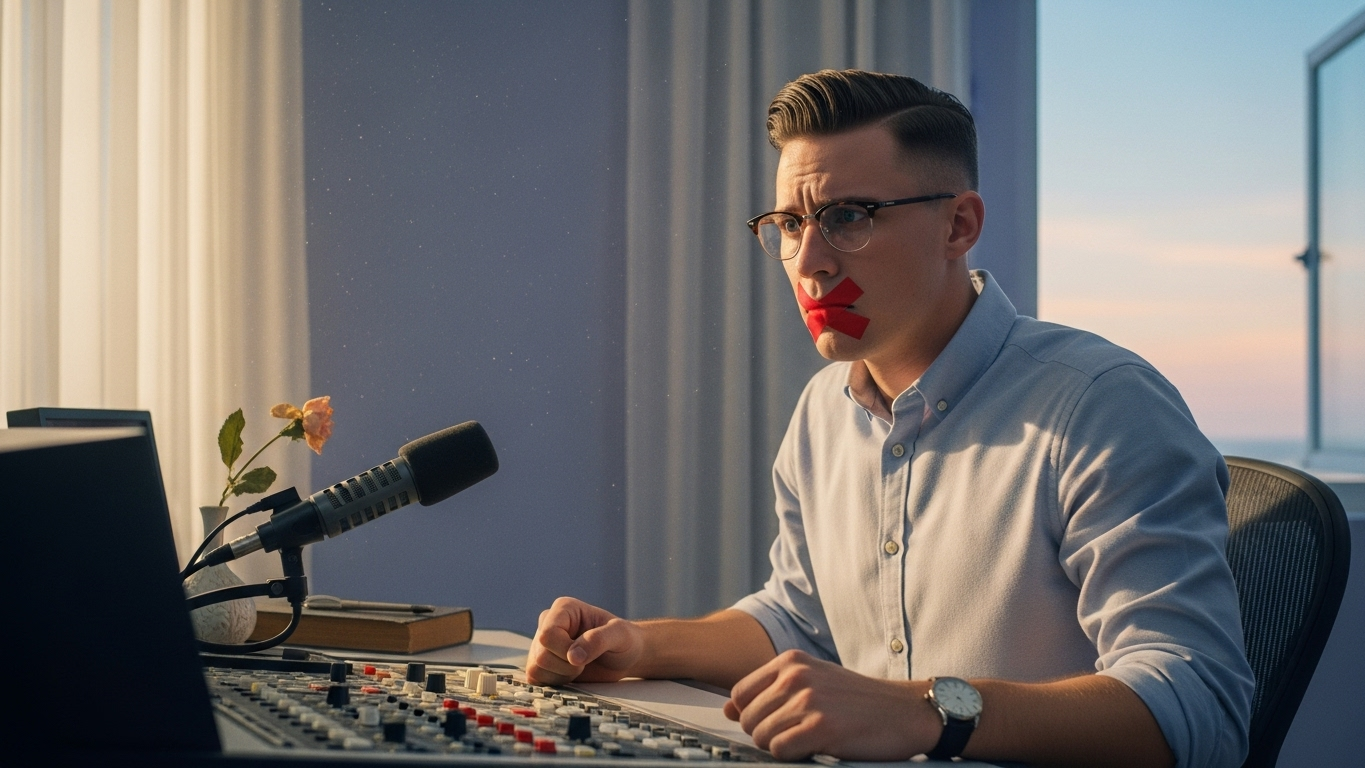
Pic AI generated using Envato Elements.