I’ve written a series of articles about lessons radio people can learn from podcasters like Daniel Tosh, Theo Von, Alex Cooper, Joe Rogan and others. I also highlighted some of the top podcasters in Season 1 Episodes 27 and 29 of my Radio Influencers podcast. I write and talk a lot about podcasters because it’s a growth industry and every radio on-air talent should be podcasting. But mainly because I think there are a lot of things the top podcasters are doing that also translate well to live, terrestrial radio. Another one of those podcasters is Steven Bartlett. Steven is a British entrepreneur, investor and the host of the incredibly successful Diary of a CEO podcast. Which, despite being launched less than ten years ago, has already racked up 21 million subscribers on the most important platform for podcasters, YouTube. Here are a few lessons radio can learn from Diary of a CEO and its host Steven Bartlett.
Do your research. For years I’ve been telling radio on-air personalities that preparation beats talent. Obviously, talent doesn’t hurt but talent alone isn’t enough. In the massively competitive environment of the attention economy we’re all a part of we have to improve our show prep process. One of the big things that separates Steven Bartlett from other podcasters is the amount of preparation he does before every guest interview. Because riffing is a key component of podcasting many podcasters carry that over to their interview style and do literally zero research on their guest before they sit down with them for an hour or longer. This is not only offensive to the guests who were kind enough to give some of their time, it’s also annoying to the guest’s fans their presence brought in and shortchanging a show’s existing audience who wanted to hear an interesting and entertaining conversation. Based on the episodes I’ve consumed I can confidently say that no podcast I know of does better advance research than Diary of a CEO.
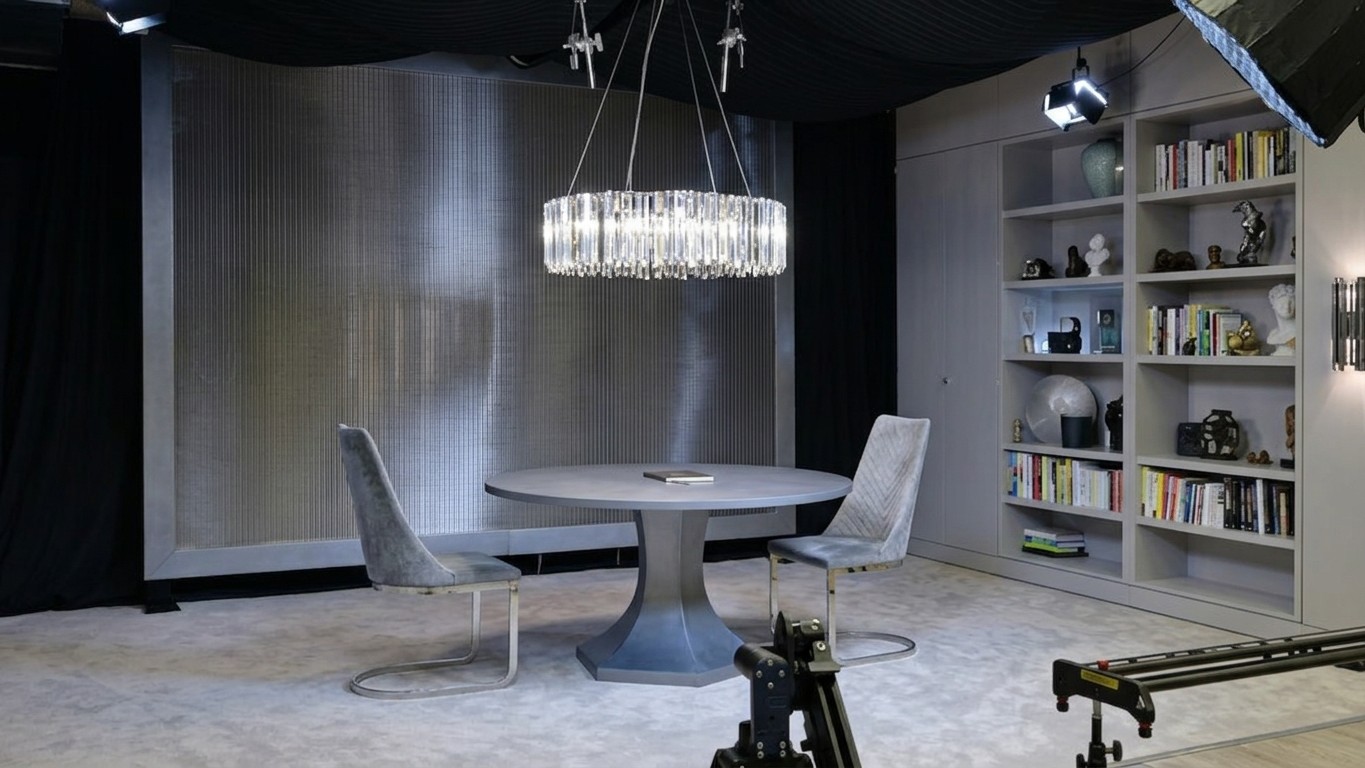
Have debates that are conversational instead of confrontational. The shouting matches may work on TV, although arguably not as well anymore, but they definitely don’t work on a podcast because of how and where they’re consumed. Diary of a CEO does an effective job creating an environment that encourages friendly and intelligent debate through their set and studio design, lighting and their hosts demeanor and delivery.
Find the balance between consistency and quality control. One thing almost all successful podcasts have in common is how they consistently crank out episodes every week no matter what. Which is why most of them can their episodes well in advance. Like doing a radio show every day, that pressure of putting out a new episode every week often leads to the occasional dud that leads us to say ‘well they can’t all be winners.’ While Diary of a CEO has followed that consistency model, Steven Bartlett openly talks about how they’ve flown guests in and put them up on their dime, done all the pre-show research and planning, recorded the episode and then chose to never air the ep because it didn’t meet their standard for quality. Which may sound absurd to some for a show that’s free of charge, but you can’t argue with the results.
The subscription model works for content the audience values as long as the price is right. While it’s free to subscribe to Diary of a CEO to get the the weekly episodes, members who join the inner circle of DOAC for $9.29 per month (6.99 pounds) get access to bonus episodes, pre and post camera footage, never before seen clips, behind the scenes notes, research access and early access to live events, screen events and brand launches. Hence why their subscription model makes up a big chunk of the estimated 60 million in revenue the show will bring in this year.
Clipping is key. Like every new podcast I get into, I first became aware of Diary of a CEO because some of their clips made their way into my feed. Because we’re all much more willing to give someone new 30 to 60 seconds of our time than we are 30 to 60 minutes or longer. Diary of a CEO episodes range between 1 to 3 hours, giving them plenty of time to create potentially viral moments to clip and share.
But by far the biggest lesson radio people can learn from Diary of a CEO is how welcome they make their guests feel. Which starts with the work they put in ahead of time, letting them know they value their time and presence, and often ends with a personalized gift they give the guests at the end of the episode. A custom-made physical guest book assembled in real time by Steven’s team during the interview. The book contains live photos taken of the guest and host during the recording, paired with real-time quotes or notable moments spoken by the guests from the episode. Many of his guests, who have been interviewed hundreds of times on some of the biggest shows in the world, are visibly moved to tears by the book. This gift costs them very little except for time and energy and creates a great on-camera and on-mic moment to round out the episode.
What do you think? If you’re a fan of the show what other lessons can radio learn from Diary of a CEO? Comment below or email me at Andy@RadioStationConsultant.com.
Pic AI generated using Gemini.